Что такое жидкость для выхлопной системы дизельного двигателя (DEF)?
Дизельные двигатели до сих пор остаются загадкой для многих водителей, особенно в нашей стране, где основная масса автомобилей заправляется бензином. И это зря, так как принцип работы дизельного двигателя, а именно воспламенение от сжатия, имеет целый ряд преимуществ по сравнению с зажиганием от свечей, не последним из которых является значительно более эффективный расход топлива (об этом подробнее в статье "Почему дизельные двигатели эффективнее бензиновых").
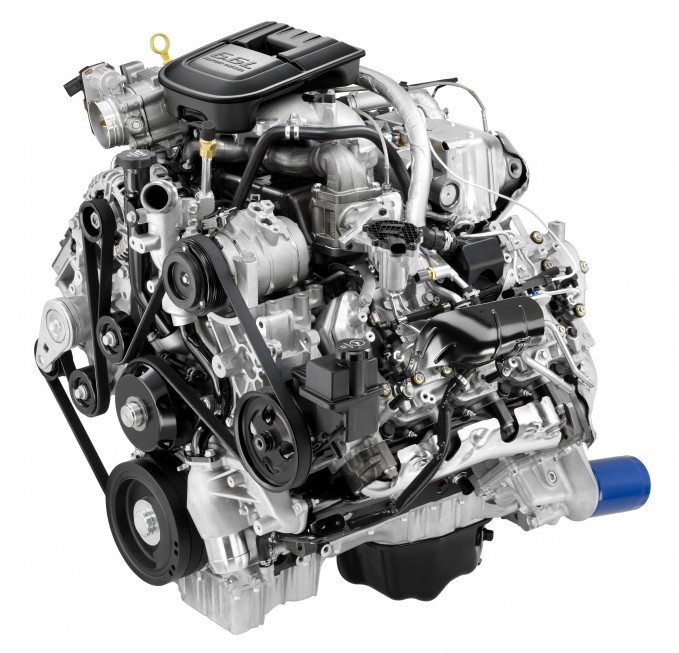
Щедрый крутящий момент на пониженных оборотах двигателя, более широкий диапазон вождения и долговечность являются еще одними из преимуществ, связанных с дизельным двигателем (наряду с тем, что дизельные двигатели уже давно научились работать на подсолнечном масле, подробнее здесь). Но все эти преимущества легко перекрывается несколькими черными метками, такими как более высокая стоимость топлива, высокие начальные затраты и необходимость возиться с DEF, что является сокращением от Diesel Exhaust Fluid, или жидкость для выхлопной системы дизельного двигателя. На мировых рынках мы чаще встречаем определение AdBlue. Что это за таинственная жидкость и зачем она необходима дизельным транспортным средствам?
Прежде чем дать ответы на эти вопросы, в первую очередь вы должны разобраться в том, почему дизельные двигатели требуют более усердного ухода, в отличие от бензиновых. Краткий ответ – потому что они грязные. Их выбросы существенно отличаются от того, что выходит из выхлопной трубы силовой установки с искровым зажиганием.
Какие выбросы производит бензиновый и дизельный двигателя?
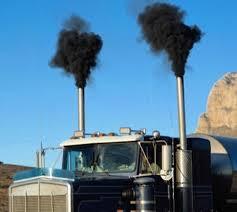 Самыми страшными газами, которые выходят из выхлопной трубы бензинового двигателя являются углеводород и окись углерода. Для их очистки и недопущения попадания в атмосферу бензиновому автомобилю необходим трехкомпонентный каталитический нейтрализатор.
Но в отличие от бензиновых двигателей, дизели имеют тенденцию к высоким показателям оксидов азота и тверды частиц, побочных продуктов сгорания, которые могут привести к серьезным проблемам со здоровьем (заболевания дыхательных органов или болезнь сердца). Причиной появления в дизелях этих противопоказанных нашей природе выхлопных газов являются заоблачные коэффициенты сжатия и необогащенные смеси, которые делают дизельные двигателя такими экономичными.
Благодаря чему экологи до сих пор не запретили дизельные двигателя?
К счастью, не все так умопомрачительно. Благодаря химической реакции, известной как селективное каталитическое восстановление, дизельные двигатели имеют-таки право на существование без ущерба матушке – природе.
Именно во время процесса каталитического восстановления вступает в игру DEF (та самая жидкость для выхлопной системы дизельного двигателя).Это раствор на основе аммиака (32,5% раствора) и воды, который используется для сокращения вредных выбросов.
Избегая всех сложных и долгих объяснений того, как работает этот процесс, скажем, что «чистые» дизели оснащены небольшим резервуаром, который содержит несколько литров DEF. Во время работы двигателя небольшое количество этой жидкости распыляется в поток выхлопных газов, где она вступает в реакцию с катализатором и газами, содержащимися в выхлопе. Происходящая химическая реакция преобразует вредные вещества в менее разрушительные.
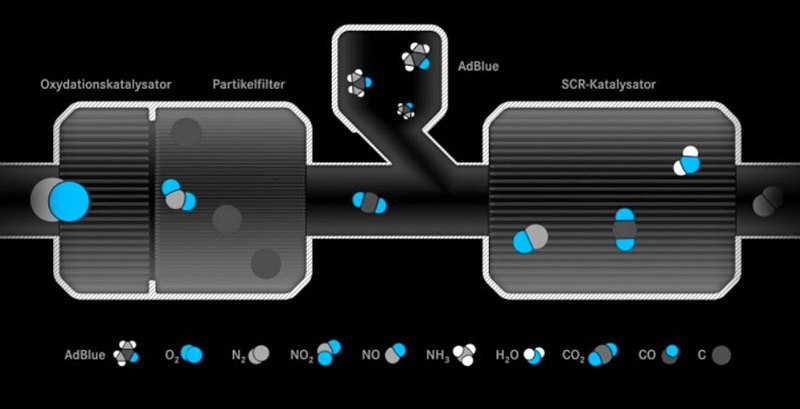
По сути, это наиболее эффективный способ сокращения выбросов NOx, при этом неприятные побочные вещества, как NO и NO2 преобразуются в безвредные N и H2O. Конечной целью являются азот и вода. Во многих случаях то, что выходит из выхлопной трубы, с точки зрения частиц, намного чище того, что поступало в двигатель.
Всего несколько лет назад автопроизводители не использовали системы селективного каталитического восстановления в своих дизельных легковых автомобилях и грузовиках, пока объем двигателей был небольшим, они использовали сажевый фильтр. Но не сегодня. Теперь все дизельные двигатели оснащены как дизельными сажевыми фильтрами, так и системой каталитического восстановления. Эта система абсолютно необходима для удовлетворения регулирования выбросов вредных газов в окружающую среду.
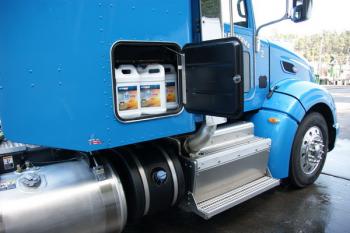 Одним из недостатков современных экологически чистых дизелей является то, что они требуют чуть большего ухода, чем их бензиновые коллеги. Водители должны постоянно поддерживать достаточный уровень выхлопной жидкости, чтобы соответствовать нормам выбросов. Это, конечно, дополнительные хлопоты и расходы, хотя производители работают над тем, чтобы сократить и то и другое.
Достигнуть этой цели автопроизводители пытаются, совместив DEF обслуживание с другим плановым техническим обслуживанием, поэтому, когда вы отправляетесь в сервисный центр для замены масла, механик может долить выхлопную жидкость в резервуар. Автопроизводители стремятся сократить расход этой жидкости до 0,2 литров на 100 километров пути, хотя, конечно, показатели значительно снижаются при экстремальных сценариях использования транспортного средства.
Но, допустим, ваш автомобиль не на гарантийном обслуживании. Что в таком случае? Не стоит расстраиваться, так как выхлопная жидкость является весьма доступной по цене и ее легко можно найти в магазинах автозапчастей.
Учитывая низкую стоимость этой жидкости для выхлопной системы дизелей, вы всегда должны заполнять бак соответствующим материалом. Некоторые водители могут попытаться обмануть систему, долив воды, чтобы сэкономить несколько сотен рублей, но это плохая идея. Как минимум, вы заработаете лампочку Check Engine, как максимум, ваши действия могут привести к повреждению системы выбросов.
Если перебои работе выхлопной системы все же возникли, попытайтесь найти причину. Без посещения СТО проще всего это сделать универсальным сканером.
Сканером диагностируются зарегистрированные ошибки в работе выхлопной системы и в 90 % случаев предлагаются пути их ремонта.
What is DEF?

DEF, which stands for Diesel Exhaust Fluid, is a colorless, clear, non-toxic fluid that closely depicts water. This liquid is a combination of deionized water & urea, which is an organic compound made up of nitrogen, hydrogen, carbon, and oxygen.
DEF came into play when the EPA took aim at a goal to significantly reduce engine emissions, specifically nitrous oxide and particulate matter, through selective catalytic reduction (SCR) in all diesel engines manufactured in 2010 or later. The process happens inside of the catalytic converter when the DEF is mixed with the hot gases that follow diesel combustion. This breaks the DEF into a new combination of ammonia & carbon dioxide. When these gases merge with the usual diesel exhaust and bond with the nitrogen oxides, it results in nitrogen and water coming out of the tailpipe. This output is a much cleaner diesel exhaust than before and is reported that these SCR vehicles experience more reliability, cheaper operating cost, and longer oil change intervals over the life of the vehicle.
As the EPA implemented the required need for DEF, the production, handling, and transportation is also regulated by the agency through the ISO 22241 standard. The urea concentration of DEF must be 32.5% of the weight because that mixture has the lowest freezing temperature (12F), which is will help with storage. Due to the importance of the having the proper mixture to not damage your vehicles SCR system, it is highly recommended you do not try to create your own DEF — Instead look to truck stop, retail locations, and fleet oil distributors to purchase DEF in portable containers, at the pump, or purchase bulk DEF quantities to be stored in a refillable bulk DEF storage tank depending on your need.
Just as vehicles have low fuel indicators, manufactures of SCR engines have built is low DEF warnings with some additional measures as the fluid level drops. If the series of warning indicators are ignored and you run out of DEF, the vehicles engine power is severely reduced and your speed will be limited to 5MPH until refilled. The consumption of DEF is measured as a ratio of diesel fuel use — typically using approximately 1 gallon of DEF for every 200 miles.
What Is DEF? (Diesel Exhaust Fluid)
DEF, an acronym for Diesel Exhaust Fluid, is the trucking industry’s response to U.S. Environmental Protection Agency standards requiring all medium and heavy-duty diesel vehicles to significantly reduce engine emissions, particularly nitrous oxide as well as particulate matter. It was mandated to come into use beginning with 2010-manufactured engines.
DEF is a clear, colorless, non-hazardous liquid looking exactly like water but that has a slight odor of ammonia. It is composed of urea and deionized water. The urea component is an organic compound made up of nitrogen, hydrogen, carbon and oxygen.
How DEF Works
DEF is not a fuel additive, and has no influence on the tuning and efficiency of diesel engines. The way it works is that the fluid, an organic compound comprising urea and deionized water, is mixed with the hot gases that follow diesel combustion, breaking DEF down into ammonia and carbon dioxide. These two gases meet with the diesel exhaust and chemically bond with the nitrogen oxides, thus resulting in nitrogen and water exiting the tailpipe. The end result is a much cleaner diesel exhaust.
Video: How DEF Works
Do Not Pee In In Your DEF Tank!
Video: The Chemistry Of DEF
In the early days of DEF use there was talk that because DEF contains urea, and because urine contains urea it was only logical that DEF was made up of horse urine … or cat urine, or pig urine, you get the picture. Some even took it to the «logical» extreme of suggesting that all an enterprising truck driver had to do was pee into his DEF tank. Problem solved, and cheaper.
While urea definitely is a component of both urine and DEF, the manufacture of DEF is done under exacting conditions making sure the urea is pure and free of contamination, and of the right ratio to the deionized water. The water also must be of an exact quality.
«Human urine is an aqueous solution of greater than 95 percent water, with the remaining constituents, in order of decreasing concentration urea 9.3 grams/L, chloride 1.87 grams/L, sodium 1.17 grams/L, potassium 0.750 grams/L, creatinine 0.670 grams/L and other dissolved ions, inorganic and organic compounds.»
On the other hand, «Diesel Exhaust Fluid uses automotive grade urea, at 32.5 percent concentration. This urea contains , 0.3 percent Biuret maximum, 0.5 jpercent magnesium max , 0.5 percent calcium max, 0.5 percent phosphate max, 0.5 percent iron max, and 0.5 percent potassium maximum.»
That should settle that; don’t pee into your DEF tank unless you would like to expend several thousand dollars in repairs to your vehicle.
How Is DEF Implemented in Diesel Engines?
The trucking industry, particularly the manufacturers of heavy-duty diesel engines, began to meet EPA standards by redesigning engines with a selective catalytic reduction technology. The DEF is sprayed into the exhaust as an after-treatment process; which means that it destroys harmful emissions after combustion, thus giving manufacturers the ability to tune engines to improve fuel efficiency and increase power.
It is said that owners of SCR vehicles experience greater reliability, longer oil change intervals, and cheaper operating costs over the life of the vehicle.
Who Regulates DEF?
The production, handling and transportation of DEF are governed by the Environmental Protection Agency through its ISO 22241 standard. The urea concentration of DEF must by 32.5 percent by weight; which was mandated because that concentration has the lowest freezing temperature of 12 degrees Fahrenheit.
Can DEF Harm Your Engine?
The only harm to an engine would be to the SCR system’s injectors and catalysts if the fluid is contaminated. That’s why there are maximum levels of impurities permitted in DEF.
Is DEF a Hazardous Material?
No. It is not necessary to wear protective clothing when handling DEF. The only concern from getting on clothing, for example, is that DEF might leave a stain. Simply rinse it off with water as soon as possible. If you spill a small amount of DEF, it can be washed away with water or wiped up. If you leave it to dry it will turn into white crystals. These can be washed away with water.
That being said, DEF should not be swallowed. If ingested, a physician should be consulted immediately.
As to inhaling DEF, under normal conditions of use, inhalation is not expected. However, when pumping DEF in a closed area it is possible that inhalation of a small quantity of ammonia fumes from DEF might occur. If you do inhale these fumes from DEF, move to an area of fresh air. A physician should be consulted if you experience any continued symptoms, such as irritation to nose or throat. DEF does sometimes have a slight ammonia smell (similar to home cleaning agents), but these are not harmful.
How Do I Store DEF?
DEF requires care in storage. For example, DEF is corrosive to many materials, including carbon steel, copper, nickel, epoxy resins and aluminum. The main issue with incorrect storage is that the DEF may become contaminated by leaching from the materials and cause failure with the SCR system, meaning the whole batch of improperly stored DEF would be useless.
Temperature is also a concern with storage of DEF; which has a limited shelf life depending on the temperature. Storing DEF at 80 degrees will reduce its shelf life to just 12 months while keeping it at 60 degrees can extend its usability to 36 months!
Recommended handling and storage containers for DEF include titanium, rubber, plastic, and stainless steel. It is recommended to only use chemical equipment when handling DEF, as petroleum equipment can contain unknown residue. Also, DEF requires dedicated equipment. A tank that has previously held any other product will contaminate DEF.
How Will I Know If DEF Has Gone Bad?
Since DEF should always remain the same color, basically like clear water, any change from this should alert a driver that the fluid in his DEF tank has become contaminated. And, once contaminated, the DEF cannot be restored or reconstituted. Importantly, DEF is not susceptible to freezing and thawing. Within the parameters of the temperature ranges for storage longevity, freezing DEF does no harm to it.
What Does DEF Cost?
Like most truck expenses, the price of DEF depends on location, time of year, and availability. At the truck center fuel island, DEF will run cheaper than the diesel fuel price. As of this writing, October 2018, DEF is running about $2.799 to $2.859 per gallon, compared to diesel fuel’s $3.459 to $3.899 price.
Truck terminals can purchase their DEF in bulk volume in drums or totes and save about 30 percent over the truck center prices.
How Much DEF Will a Truck Consume?
DEF consumption is expected to be approximately 2 percent of fuel consumption, depending on vehicle operation, duty cycle, geography, load ratings, etc. Since DEF consumption is directly related to fuel consumption, a truck averaging 6 MPG can expect to go approximately 300 miles on one gallon of DEF.
DEF weighs about 9 pounds per gallon.
Can I Make My Own DEF?
It is not recommend that drivers make DEF themselves. DEF has strict requirements for maintaining concentration and purity of ingredients that is critical to the proper functioning and longevity of the SCR system.
Cummins and other OEMs require that DEF used with their SCR systems meet all ISO22241 specifications as well as API certification requirements. It is recommended that end users purchase certified DEF and avoid blending it themselves.
For more information about the quality standards, refer to ISO 22241 which details specifications for DEF quality, handling, testing, transportation storage, and refilling.
What If My Truck Runs Out Of DEF?
The EPA has taken into consideration the possibility that a driver of a DEF-equipped truck might choose to run without having to be encumbered by the extra expense and trouble of having to keep his DEF tank filled. Vehicle manufactures have built-in DEF level warnings with the added incentive that the vehicle will fail to operate properly without DEF.
Basically, before a truck’s DEF tank runs empty drivers are given a series of alerts on their dashboard displays (much the same way as if they were running low on diesel). Generally speaking, when the DEF tank level drops below 10 percent an amber warning lamp will come on, at 5 percent this lamp starts flashing and below 2.5 percent a solid amber warning light is displayed.
If the truck is allowed to run out of DEF the engine’s power is reduced, a solid red warning will be displayed and the vehicle speed will be limited to 5 mph until the DEF tank is refilled.
Are There Any Other Dangers Associated With DEF?
One concern expressed by some is the possibility of inadvertently putting DEF into the diesel tank, or vice versa. A number of safeguards are in place to prevent that happening.
The standard nozzle diameter for DEF is 0.75 inches, compared to 0.87 inches for diesel, preventing the diesel nozzle from ever being inserted into the DEF tank. In addition, the filling cap for the DEF tank is blue and is clearly marked «Diesel Exhaust Fluid» with the accompanying ISO standard number.
However, mixups have happened. In a small number of cases diesel has been put into the DEF tank. Diesel is less dense than DEF and will float on top of the DEF in the tank. But even small amounts of diesel can damage the SCR system and it is recommended to contact your dealer immediately, and do not drive the vehicle.
If DEF is filled into the diesel tank, the engine will stop running almost immediately, and the vehicle will need to be taken to a service center for repair.
Terminal:
A facility where trucking companies operate out of, or their «home base» if you will. A lot of major companies have multiple terminals around the country which usually consist of the main office building, a drop lot for trailers, and sometimes a repair shop and wash facilities.
Hours Of Service
When a violation by either a driver or company is confirmed, an out-of-service order removes either the driver or the vehicle from the roadway until the violation is corrected.
WHAT DOES DEF DO? A GUIDE TO USING DIESEL EXHAUST FLUID

Diesel exhaust fluid , more commonly known as DEF, is a chemical compound used to neutralize harmful pollutants in diesel exhaust. While using DEF is a straightforward process, it’s important to follow the correct guidelines when using these chemicals. Here’s what you need to know about how DEF works, as well as how to properly store and use DEF.
What Is Diesel Exhaust Fluid (DEF)?
The purpose of DEF is to neutralize nitric oxide and nitrogen dioxide in diesel fuel exhaust. These compounds, together known as NOx, are toxic to humans. Additionally, NOx contributes to greenhouse gasses that cause climate change and acid rain, further emphasizing the importance of breaking down these pollutants in an effective way.
DEF consists of 32.5% urea and 67.5% deionized water. Its use in the selective catalytic reduction (SCR) system of a diesel engine helps break down harmful NOx particles. When injected into the system, DEF reacts with NOx to convert it into nitrogen, water, and small amounts of carbon dioxide. This reduces harmful emissions and increases fuel efficiency.
In 2010, the EPA rolled out lower NOx emissions standards , which led vehicle manufacturers to install DEF systems in medium and heavy-duty vehicles. In the years since, the EPA has also expanded these measures to include off-road vehicles, generators, and various engines. These regulations resulted in historically low levels of NOx during a period when nitrous oxide levels were peaking.
Using and Refilling DEF

DEF is stored in a special tank most commonly made from a corrosion-resistant, high-strength plastic. The vehicle operator most often uses a nozzle to add the product into the vehicle. Common refilling methods include: a nozzle attached to a D EF jug or a pump at a refill station. If your DEF jug doesn’t include a nozzle, as is the case with smaller DEF jugs, a funnel should be used to ensure DEF goes into the tank without spillage.
How to Fill a DEF Tank
First, place the nozzle inside of the filler neck on the DEF tank. Slowly tilt the DEF jug, allowing a controlled flow of DEF into the tank. Due to the corrosive nature of DEF, you should avoid spilling DEF on other vehicle components . Spilled DEF should be removed from contaminated surfaces as soon as possible.
Do Not Overfill a DEF Tank
You should not fill a DEF tank higher than the max recommended level . This is because overfilling the tank could damage it . If you overfill the DEF tank, there won’t be enough space for expansion when DEF freezes. This can lead to potential cracking of the tank (and leaks).
Avoid Contaminating DEF
While adding DEF into a DEF tank , it’s important to ensure no outside contaminants or debris fall into the DEF tank. Not all DEF tanks have a filler neck filter to catch debris or contamination, so it’s important to pay close attention when refilling. Debris entering the tank can cause blockage s in the system. If this occurs, your system may not be able to inject DEF into your exhaust.
Liquid contamination , such as additional water, fuel, or coolant can affect the quality of the DEF and can damage your emissions system. Fortunately, many DEF sending unit s have a quality sensor that can detect contamination or urea concentration changes.
Temperature and Quality Sensors on DEF Sending Units
The DEF sending unit has two parts, the temperature sensor and the quality sensor. These two sensors are responsible for accurately monitoring conditions within the DEF tank.
DEF Temperature Sensors
The DEF sending unit has a temperature sensor that alerts operators when the DEF tank temperature reaches a critical level. The optimal storage temperature for DEF is 77 degrees Fahrenheit. However, DEF tanks do allow some expansion if the contents of the tank freeze. In cold conditions , DEF tank sensors will alert you of the temperature change before freezing occurs.
DEF Quality Sensors
The DEF sending unit has a quality sensor that accurately measures the concentration and quality of the DEF in the DEF tank. These sensors can also detect contaminants within the tank. If there is any deviation in the concentration of DEF that could potentially harm the vehicle and SCR system, the DEF quality sensor will alert the driver. There are several quality sensors to choose from depending on your application solution and climate.
KUS Quality Sensors
By engineering, designing, and validating DEF tanks and level sensors simultaneously, KUS provides customers with comprehensive DEF accessories that are always compatible with each other. That’s the KUS guarantee.
To learn more about our DEF tank temperature sensors, check out our selection here .